Rabu, 11 April 2018

Recognizing Rare Stamps

Recognizing Rare Stamps

Image source: http://www.linns.com/news/world-stamps-postal-history/2016/january/identifying-belgiums-first-stamp-issue-the-epaulettes-of-1849/basicslider-0/sismondo-belgium-epaulettes-first-stamp-issue.jpg

Recognizing Rare Stamps

Believe it or not, investing in rare stamps is a normal occurrence. Usually, the collection and gathering of rare stamps is a hobby that is better appreciated by the advanced collectors.

Unbelievably, rare stamps are investments that are of the tangible kind. Compared to art they are also a worthwhile and enjoyable investment especially for enthusiasts.

First things first, the fact is that rare stamps are really, definitely very rare. But what is it that makes a stamp rare?

The following are some of the reasons as well as circumstances that makes a stamp that rare, expensive stamp that everyone would want to own.
The mother of all rare stamps

Believe it or not, there exists the stamp that would be considered as the mother of all rare stamps and quite possibly the stamp that - if given the chance - would be the one to rule them all.

The stamp that costs one cent is the British Guiana. This stamp is currently considered as the most rare stamp in the whole world because only one of such kind was made. This stamp was reportedly discovered by a school boy back in the year 1873.

Another valuable rare stamp is called the Penny Black where it is also considered as a very rare and valuable item for collectors.

The father of all rare stamp collectors

A man with the name Philipp von Ferrary who lived during the years 1850 until 1917 was considered to be the collector of all collectors when he was able to amass stamps from all places in the world.

Ferrary, as he was fondly called by his clients and almost everyone, began the hobby of colleting stamps when he was young. Since he was able to inherit a great fortune, he made it his life long quest to buy stamps that are rare.

In the fifteenth of January, 1915, he relegated to the Berlin Postmuseum his collections. But since he was an Austrian - who at that time was residing in France during the first world war - he left his albums to the embassy of Austria and left for Switzerland where he soon died.

Post world war one brought on the government of France to confiscate his collection. Since then, most rare stamps have a stamp of "ex-Ferrary" on them, because almost always, the stamps may have previously belonged to him.

Rare stamps found in a dresser

You know you have in your possession a rare stamp when people are suing you for them to have it back.

It was one hundred and fifty thousand dollars worth of stamps that a judge granted the stamp's original owners when it was found that it was included in the dresser a Robert Ganter bought in a used store that sells furniture.

The original owners discovered Ganter's find when the latter issued an ad in a stamp catalogue for collectors and offering it up to be sold.

Buying rare stamps is a cinch

So how I one supposed to buy rare stamps when they see one? The best method is by simply buying the best stamp that one could possibly afford.

New rare stamps recently unveiled in Asia
Beginning April of this year, stamps that highlight Vietnam's birds, specifically the partridges as well as pheasants of the country was launched in Vietnam's Ministry of Post and Telecommunication.

These rare stamps provide the people who live in Vietnam with a magnificent documentation of how the country's birds thrive. The birds that were included in the stamp include a partridge whose neck is range in color, its scientific name is arborophila davidi. Other birds in the stamps include lophura hatinhensis or the more popularly known Vietnamese pheasant.

Why are these birds featured in such a stamp series? For one, putting their pictures on a stamp is one way to immortalize their existence as they are currently considered as endangered. Their populations have been slowly dwindling due to the loss of their natural habitat as well as hunting.

What do the stamps represent then? The series also aims to showcase the varied and special life that Vietnam's birds live.

All in all, collecting rare stamps is a fun, enjoyable and interesting activity to do especially if rare stamps are your cup of tea.

Selasa, 10 April 2018

RC helicopters for beginners

RC helicopters for beginners

Image source: http://www.conrad-electronic.co.uk/medias/global/ce/7000_7999/7200/7240/7248/1299818_LB_00_FB.EPS_1000.jpg

RC helicopters for beginners

So youve now decided to pick up flying model machines as a hobby but dont know where to start. Understanding the complex working of an remote control helicopter can be a little daunting even for the more experienced flier. The terminology and mechanics can prove to be difficult to understand. The best option, just like learning any skill is to start small and work your way up. Dont try and read every single text you can find on the subject as it is best learned on the go.

When you go to the hobby store dont be led into a buying an expensive piece of machinery just because the seller said its the best on the market. Generally speaking, the more expensive the RC helicopter the more difficult it is to use. The last thing you want is a crashed and permanently damaged craft. These are best for a flier with previous experience. Same goes for the tools. Avoid buying every single tool you can afford because you think you will need them at some point.

As a beginning RC helicopter flier, the best option is to start with a simple electric aircraft. These are powered by a rechargeable litho battery. Because they dont use fuel, there are no emissions to worry about and you can even fly them indoors on those rainy days. Electric models are light, user friendly and have an approximate flying time of about 7-12 mins. Not only are some of them small enough to fit in your hand but they are also easy to use. If you want to perform back to back flights without having to wait for your battery to charge then invest in several battery packs.

When starting out, select a fixed pitch (FP) model. The blades on this type of RC helicopter remain at a fixed angle. As the rotor picks up speed and rotates faster the helicopter rises. An FP version is much cheaper than other types due to the simple nature of its design. Thanks to the simple nature of design, they are also easy to fix yourself in case of any damage. Be sure to buy a ready to fly aircraft as they are ready to use straight out of the box without any further assembly.

Just like any other skill, practice makes perfect. So put in the hours learning how to make simple left, right, upwards and downwards movements. The faster you can master these simple tasks the faster you can work your way up to a more complicated craft. Unfortunately, with a simple electric RC helicopter, you cannot do complex maneuvers like loops. But dont worry, once you have upgraded your craft you can then be able to perform these just like a professional.

Do your research on the cost of an aircraft from different toy or hobby stores. Alternatively you could search online as these sellers sometimes tend to offer lower prices. Now that you know a little bit of the basics, get out there and start flying.

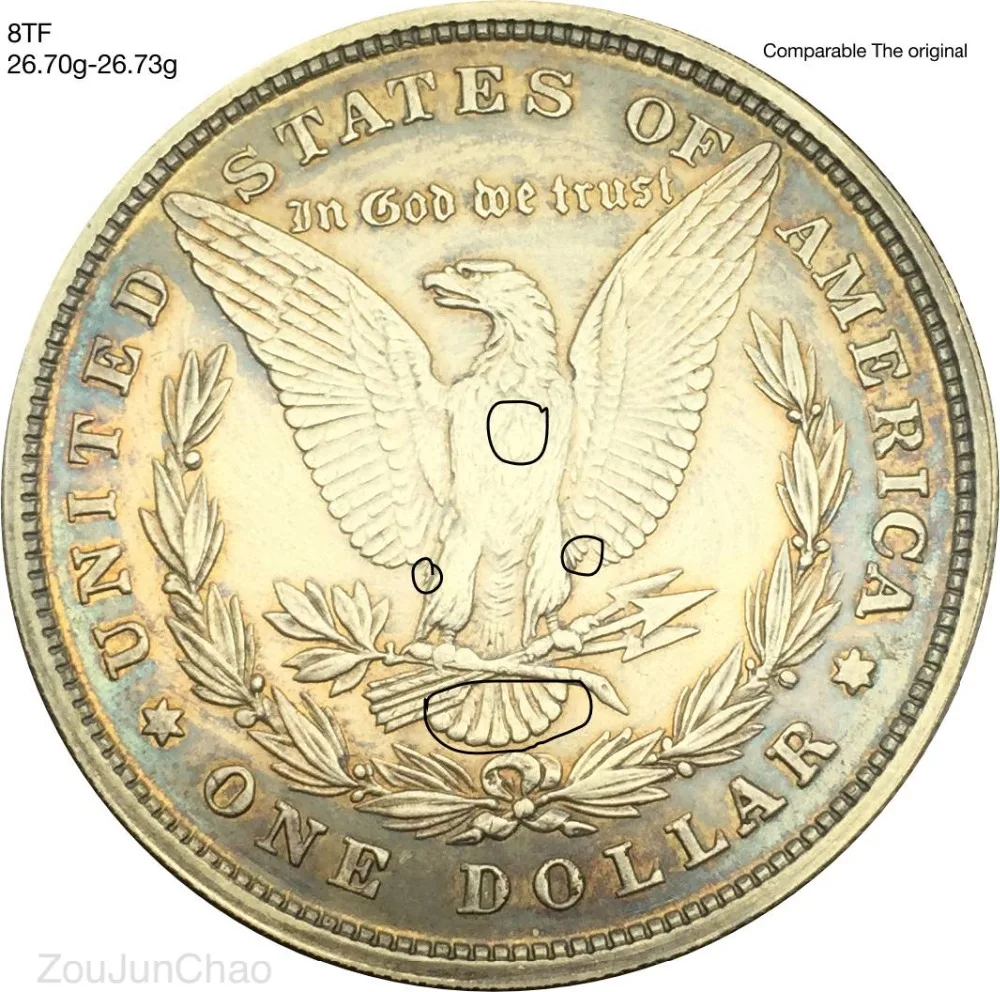
Rare Gold Coins Of America

Rare Gold Coins Of America

Image source: https://ae01.alicdn.com/kf/HTB1QF2sKFXXXXcKXVXXq6xXFXXXk/Rare-United-States-Of-America-Coins-1878-8-Tail-Feathers-Morgan-One-Dollar-Wrong-Type-90.jpg

Rare Gold Coins Of America

The United States rare coin and bullion reserve has announced the release of numerous gold coins that were previously held by the rulers of various countries. You can get hold of these coins at an incredible price since they are free of any dealers mark up. The gold coins that are issued by the US government are certified by the government of the United States Congress. And those antique coins are the only coins which are pure and whose weights are backed by the US government. Therefore these antique coins can be considered to be a sound investment.

The size of these antique coins varies and each coin has a great value. If you want information regarding these antique coins, you can call the United States rare coin and bullion reserve and get it from them. The antique coins of the United States are mostly of gold and are very much in demand and popular for its high end features of purity and content. They are mostly available in the quarter ounce size, though some of them can be found in the half ounce size too. At present, the value of these coins is very high and most of them can be found only in the museum where they are preserved and well looked after so that they do not get damaged in the long run.

The grading of these antique coins involves several processes and numerous steps, which is done by specialized departments. Coin grading is the process where the condition of the coin is determined and the grading is done. Grading is the key factor in determining the value of the coin. The coins of the United States rare coin and bullion reserve are professionally authenticated and are graded by the guarantee corporation. The main goal of the grading process is to certify the accuracy and genuineness of the coin.

The ownership of these antique gold coins is a great asset that can often be used as a long term investment against inflation. The benefit of owning these coins is that they are highly liquid and are easily transportable and can make the owner feel great each time he or she holds that coin.

There are various websites where you can get more information about these antique gold coins of the United States. But be sure to verify the information properly and do not forget to check out the grading of the coin. And the United States rare coin and bullion reserve is always there to guide you if you are thinking of purchasing these coins.

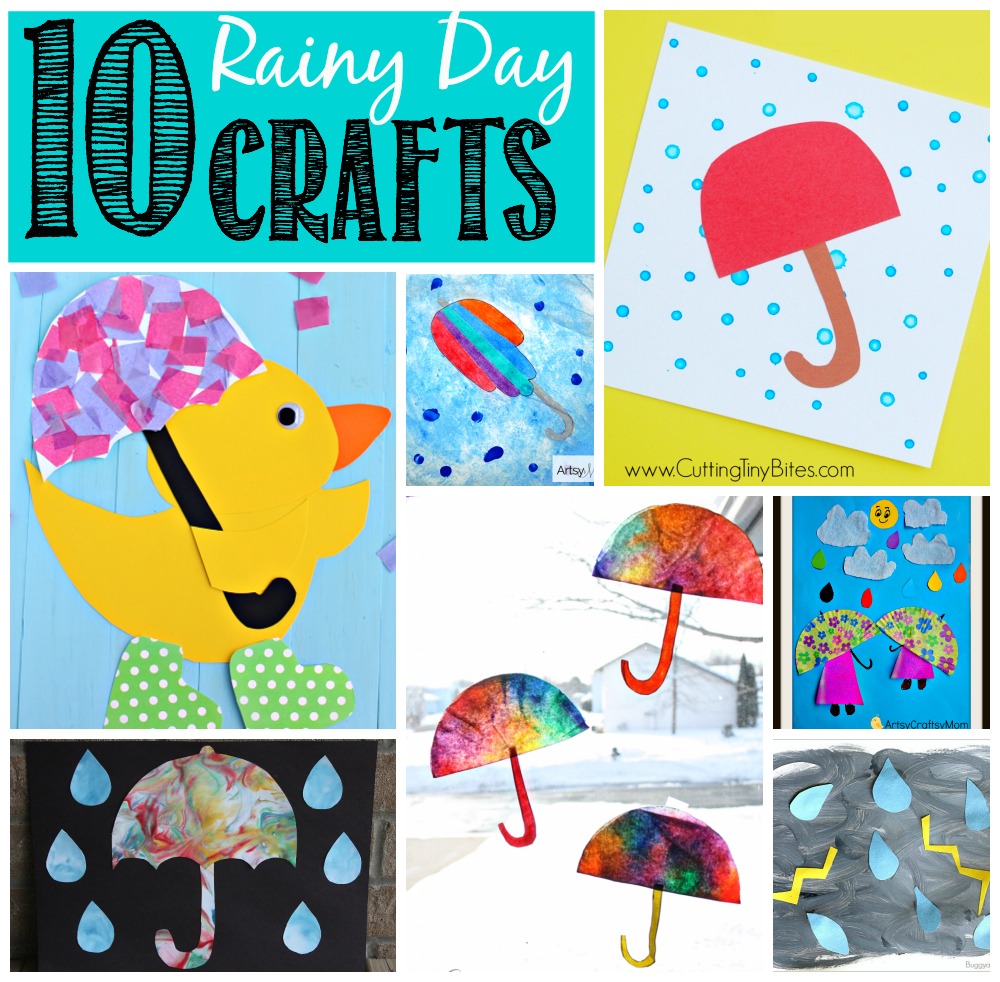
Rainy Day Crafts for Kids

Rainy Day Crafts for Kids

Image source: https://teachingmama.org/wp-content/uploads/2015/04/10-Rainy-Day-Crafts.jpg

Rainy Day Crafts for Kids

Bad weather days can keep your kids indoors, but television isn't the only answer to inactivity. Simple and fun craft projects that can be done with items you probably have around the house can easily become a fun family activity!

Edible Jewelry. This is a very creative and fun way to play with your food! You will need shoe string licorice (not the rope style, as the licorice will be the string) and goodies that have some sort of hole in them. Example would be: Cheerios, pretzels, gummy lifesavers, mini donuts and dried apple rings. String the items along the licorice 'thread' and tie the two ends together. You can make necklaces and bracelets!

Edible play dough. If you have young ones who tend to eat their play dough - this is a nice alternative. Mix together one half cup of honey, one half cup of smooth peanut butter and one cup of dried milk powder. Mix until you have the dough consistency you like, adding more powdered milk if it feels sticky. If you like, you can work in a few drops of food coloring at this stage. Then let the kids play with and eat it! This is meant for a single use, don't store this longer than one day.

Sponge stamps. For this, all you need is any type of sponges you can find. The more different the textures of sponges, the more fun the designs are. Just cut the sponges into different shapes with scissors. The kids can dip the sponge pieces into paint and create their own works of art. For more creativity, try gluing the sponge pieces onto a 3 inch paint roller.

Maracas. For home made maracas, all you need are paper plates, dried beans and tape. Give each child two paper plates. Have them color and decorate the bottom of the plates any way they wish. Fill one plate with about cup of dried beans, place the other plate on top, face down and tape together - making sure you seal all the way around. The hollow area creates the space for the beans to shake around and make noise!

Homemade clay. There are lots of recipes out there for homemade clay, this one is very easy, if a little messy! You will need, flour, 12 day old slices white bread (with the crusts removed), cup of white glue, food coloring. Tear the bread into chunks and put in bowl, add the glue and mix really well with your hand until it becomes a unified mass. Turn out onto a floured board and need until the clay is no longer sticky. You may need to add tiny bits of flour as you go. To color the clay, pull off a chunk and add a drop or two of food coloring. Knead well to incorporate the color. Let the kids form whatever designs they like, then air dry the pieces. It will take a day or two depending on how big the pieces are. Paint the dried clay designs if you like. Clean up with soap and water.

Senin, 09 April 2018

Quilting for Beginners - 3 Essential Tools

Quilting for Beginners - 3 Essential Tools

Image source: https://ind5.ccio.co/3G/5B/3E/af6a0f3f0fa635cbf2352a360091fced.jpg

Quilting for Beginners - 3 Essential Tools

Today's quilters have many great tools at their fingertips. Over the years, the variety and quality of our tools has advanced the art of quilting considerably. For beginner quilters, this is great news. Here you will find 3 items that you absolutely have to have on hand as you begin your first quilting expedition. Don't underestimate the importance of purchasing these three seemingly simple tools correctly!

1. Thread

When it comes to quilting, particularly you as a beginner quilter, there is a plethora of thread choices out there, and you will want to choose the right thread for your project.

For instance, if you are piecing your blocks, you'll want to choose an all-purpose, mercerized thread, but if you've chosen to appliqu, then silk or cotton thread would be better.

On the other hand, when you appliqu with a quilting machine use buttonhole twist or nylon monofilament if you want invisible stitching. You could also use metallic thread to create special appliqu effects.

When you are actually doing the quilting, you should use an extra-strong hand-quilting thread with a polyester core. And when machine quilting you can use all-purpose thread for normal stitching or buttonhole twist for more visual contrast.

2. Scissors

Beginner quilters take heed: two pair of scissors is essential - one for fabrics only, the others for everything else. The reason for this is that cutting paper, cardboard, and other materials can dull the scissors considerably, and you want them super sharp for cutting the fabric. It's probably a good idea to mark these scissors so that you know which ones are for cutting fabric.

Scissors will eventually dull, and when they do, you can usually take them to your local fabric or craft store to get sharpened.

If you are doing appliqu, it's also nice to have some thread and fabric snippers on hand if you are able. Make sure that these also are only used for fabric and thread in your quilting.

3. Needles, Pins and Pincushions
It makes perfect sense that as a beginning quilter you will want to have a variety of needles handy. A household assortment pack found in fabric stores will do very nicely for you.

When choosing your needles, remember that the smaller the number, the larger the needle.

Sharps are narrow and fine with small round eyes. These work well for hand piecing and appliqu. Sharps in size 8 or 9 work well for beginners at the quilting craft, but be sure the needle works well with your hand and finger size.

Here is some great news - there are actually needles out there for beginner quilters that are made specially to be easy to thread. They are made with slotted eyes that are easier to see. There are also needle threaders that you can have on handy that make it easier, particularly if you have vision issues.

Hand quilting needles are called 'betweens', and are fine needles that are generally shorter. They are made to be used for quilting and detailed handwork.

A size 8 is a great size for you to start out with as a beginning quilter, and then when you've got a few quilts behind you, you may want to graduate to a size 12, which is very tiny and narrow, but allows better control with stitching.

These days there are so many cool tools. I love the magnetic pincushions. Beside your pins and needles being more visible, you can move it over dropped needles and pins and it will pick them up for you.

Straight pins are a necessity for the beginning quilter, and you will also want to have some safety pins on hand. For machine quilters, they are quite useful for holding your quilt sandwich together. Get large nickel-plated safety pins that won't rust.

There are also special basting safety pins that you can get from quilting supply stores. These ones have a slight curve to them which helps to navigate the layers of the quilt.

Be sure that as a beginning quilter you are starting out right by having these essentials, and happy quilting to all!

Important! There are actually 7 other essential tools you need to purchase correctly as you begin your quilting adventure... to check out all 10 tools, visit us at our website below and find the proper tools now!

Quilling Projects - Greeting Cards

Quilling Projects - Greeting Cards

Image source: http://lc.pandahall.com/lc_images/description/04957cc3-9785-4c82-a4fd-a09d0026e76a.jpg

Quilling Projects - Greeting Cards

Pick a good quality cardstock in a solid color that is complimentary to your quilled pieces. Consider using a piece of foil or vellum as a front panel to further accent your quilling.

You can use rubber stamps to print your greeting, or you may experiment with various inks and paints to freehand the greeting. Be sure to use Jet Black solvent ink with your rubber stamp to ensure a clean, dark imprint.

Attach your quilled pieces to your card using small dabs of clear-drying glue. If the card might be framed, be sure to glue every piece well enough to ensure they will stay in place.

Creating a basic card decorated with quilled shapes should require scissors, tweezers, a rubber stamp of your choice, brushes or pens if you decide to freehand your greeting, and your glue applicator.

To begin this project, first decide on the size of your card. Next you need to decide on which quilled shapes you wish to use and the design for your card overall. You can arrange your quilling pieces on your board as a 'dry-fit', to make sure the arrangement will fit on the card attractively.

Next, decide which form of print you want to use for the greeting-stamp or freehand-and if then try both on scrap paper to make sure you can get the effect, or a clear imprint before going to the actual card. Once you feel comfortable with creating your greeting, do a final printing on the cardstock-then allow it to dry completely.

Now you are ready to apply your quillings. Have your tools ready-tweezers, scissors and glue applicator filled with glue. Carefully transfer each quilled shape from your 'dry-fit' area to the card, gluing each piece one-by-one, until all have been moved and glued to the card. Allow the work to dry completely. Before you move the card again, re-check all pieces to make sure your glue has set up and that all pieces are secured. Any quillings that seem loose should be carefully re-glued and then allowed to dry.

Your simple, yet beautifully decorated card is now ready to go to family, friends or anyone you wish to surprise with such a wonderful gift!

This basic card approach can be upgraded using a number of decorative techniques-adding beads, using a paper punch on paper overlays to expose the color of the underlying cardstock, using scribing tools to bring texture and depth to leaves-and many, many others. You will, undoubtedly, find techniques from other crafts that can be utilized in your quilled cards, or other, projects.

Qualities to Find an Excellent Violin Teacher

Qualities to Find an Excellent Violin Teacher

Image source: http://images.onccc.com/20110809/m500_38e64e861454ff876da8bad4be1f68ba.jpg

Qualities to Find an Excellent Violin Teacher

Have you always been curious about learning to play violin and wished to be part of orchestra one day? Learning to play violin is highly engaging, entertaining activity. It is one of the most popular and amazingly convenient musical instruments to learn. When wielded during an orchestra, it produces an exquisite sound that generates a compelling atmosphere. It is, therefore, never a bad idea to learn to play the violin.

Anyone can learn violin at any point of time without any age bracket. Be it a child seeking to add a hobby to its art portfolio or a seasoned adult to satisfy their quest for musical learning. All you need is an ideal teacher who can teach you the right credentials, and techniques to be able to inspire you to love playing violin.

Each violin teacher is different, it is important to find a teacher with whom you are comfortable learning, with a perfect balance of teacher-student relationships. Heres what to focus on to find the violin teacher:

Private Instructor or Music School:

The majority of ideal violin teachers is often engaged with reputable music schools or learning centers. If you dont want to join a music school, you can hire a private instructor for violin lessons. There is also a handful of independent instructors, who can provide you private instructions.  Regardless of where they are found, it is important that violin teachers must be able to profess skills to play the violin.

Dedication towards teaching:

An ideal violin teacher must be skillful player at the same time he should also be passionate towards educating you. If you find a violin teacher with a combination of these two qualities, this will accelerate your learning progress. The process of picking up the skill and playing has become smoother.

Knowledge and Experience

A qualified music instrument teacher imparts the right technique for easy learning experience. Along with playing techniques, correct posture is also important. A good instructor will pay attention to every detail.

If youre a beginner, find someone who can teach you the basic proficiencies, such as how to hold the bow, proper posture, and so on. However, if you are interested in a particular technique or genre, look for a teacher equipped with a particular skill set. Review complete portfolio of and look each specialty listed in their resume.

Location of the violin lesson

Location is another important factor while learning. If you are comfortable learning in your home, then you should opt for a private instructions. If you can travel to music schools, then studio lessons can impart better learning experience. A studio would be a better choice as it is sound proof and you will learn in better professional approach. In a studio or music school you can be part of a musical group and make new friends.

Budget

Budget is another deciding factor while learning.  Very experienced and qualified teachers may command more hourly rate while those who are just starting out may start at a rate of less per hour. Decide on a budget for engaging your violin teacher.

Reputation

Reputation is everything! You can ask for  feedback and reviews of previously taught students. This will help you to help you narrow down your search. The more information you have, the better. If possible, also find out the track record of the teacher.

Putting it all together:

The bottom line is that if a student shows an aptitude and desires to learn violin, the rest will follow. However, a partnership is desired between teacher & student to allow a better learning environment. If the teacher is not dedicated, the violin lessons wont be productive. Now you know everything about what to find in a good violin teacher. Search as per the described and you may find someone very well qualified easily.

Recognizing Rare Stamps

Image source: http://www.linns.com/news/world-stamps-postal-history/2016/january/identifying-belgiums-first-stamp-issue-the-epaulettes-of-18...